
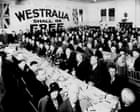
“Westralia shall be free” – or so Western Australia voted in a referendum in 1933. Despite 66% of the population being in favour of becoming an independent nation, the dream of secession was ultimately quelled by constitutional questions and the onset of the second world war.
Almost a century later, supporters of the independence movement remain in far smaller numbers, yet bolstered, according to the authors of a new book, by the “collateral harms” of Canberra’s Covid-19 response, the under-taxing of WA’s natural resources sector and rising costs of living.
“There’s definitely a sentiment, a sort of identity, that is separate from the eastern states that the Western Australians have really nurtured and cultivated and still adhere to,” says Prof Gigi Foster, one of the authors of Secession by Western Australia.
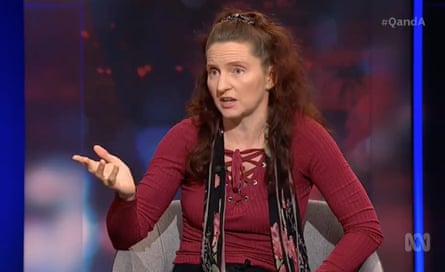
The UNSW economist sees a “generally positive, if hesitant” view of independence in Western Australia, alongside a perception of having “been poorly done by” the nation’s capital, 3,000km away.
Sign up: AU Breaking News email
But the Albanese government has hosed down the secession dream, dismissing it as an “idiotic” concept that would harm WA and create a distraction from the conflict in the Middle East.
In the 125 years since federation, the states have “grown up” and no longer need the federal project, says Julian Gillespie, a former barrister, critic of pandemic mandates and vaccines, and the book’s principal author.
“We’ve got this enormously expensive governance layer that was applied to all Australians from 1901 onwards,” he says. “We’ve had a doubling of energy bills since 2019, housing has become increasingly unaffordable.
“Where’s the value add?”
Patrick Gorman, the assistant minister to the prime minister and federal member for Perth, says now is “not the time for idiotic ideas like secession”.
“Global conflict is a sobering reminder that Australia is stronger together.
“Secession will leave Western Australia with a weaker economy and no defence force. It will also waste billions of dollars and many years on bureaucratic adjustments.”
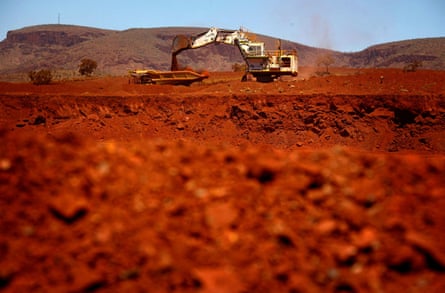
The book makes the case for a 20% tax on natural resource miners and oil and gas producers, which would make up for zero income tax on the new republic’s businesses and individuals. They compare Western Australia to energy-rich global powerhouses Qatar and Norway.
“No one in Qatar pays [personal income] taxes, and they’ve got one of the greatest sovereign wealth funds globally, and their people are enriched and they have a fantastic quality of life,” Gillespie says.
The authors claim their plan would benefit onshore miners while financing the fiscal stability of the nation and redistributing wealth. The process would take years, not least because the question of secession could only be presented after the next state election in early 2029, Gillespie says.
Foster sees WA as setting an example and becoming a “beacon” for eastern Australia. The book is a “gauntlet thrown down”, and, as a first proposal, would need to be fleshed out with heavy consultation with the people of WA, she says.
And, while the constitution – which can only be changed by federal referendum – defines the federation as “indissoluble”, the authors claim that changes to legislation, particularly the 1986 Australia Act, may provide a pathway for WA to unilaterally break away. The act made all Australian law independent of the British Parliament and legal systems; before this, the monarch could disallow any state law within two years.
Associate professor Benjamin Mountford, a historian at Australian Catholic University, says calls for WA to secede date back to its reluctance to join the federation. The state has a different economy, is very sparsely populated and sees itself as having a special connection to Europe, he says.
Dr David Lee, a historian and associate professor at UNSW, says agitating for independence tends to grow when the economy is weak. Given the dominance of mining, WA’s entanglement in defence arrangements and even social security and superannuation, the practical problems of a foreign WA would be “very difficult to surmount”.
“Is there now in Western Australia a clamour for secession? Yes, Covid was a difficult time … but I think now there doesn’t seem to be a push for it,” he says.
Gorman says the book represents fringe views and uses secession “as cover for radical rightwing tax policies that have failed to stand on their own”.
He says the “flimsy, expensive” plan would give “false hope” for those who “seek to go it alone in the world”.
Rather than a rejection of Australia, the authors claim their call for self-governance is about embracing “Australianness”.
“It is out of loyalty to these Australian ideals,” they write, “that we can no longer abide a system that so routinely betrays them.”